In North America, the mere mention of pumpkin (or its accompanying spices) has become a herald of the fall season. Sure, there are apples, acorns, cool weather, and colorful leaves. Yet somehow, the humble pumpkin has been elected to be our fall mascot. We’re a continent obsessed. I’ll admit, it does make sense. Pumpkins–and in fact, all squash–are native to the Americas. Scientists think it was one of the first crops domesticated by humans. Pumpkins, however, may never have come to be if it weren’t for two other mammals that were once as widespread as squashes are today: mammoths and mastodons.
Paleontologists have found squash seeds in preserved mastodon poop, suggesting that they and other large proboscideans acted as key seed dispersers for wild squash.
Yep. Paleontologists think there was a key link between these ancient proboscideans and the pumpkin spice latte. Well, okay, at the time (8000+ years ago in Mexico) there were no PSLs or even pumpkins. Instead, there were wild squashes. These were a far cry, however, from the large and sugary varieties we grow today.
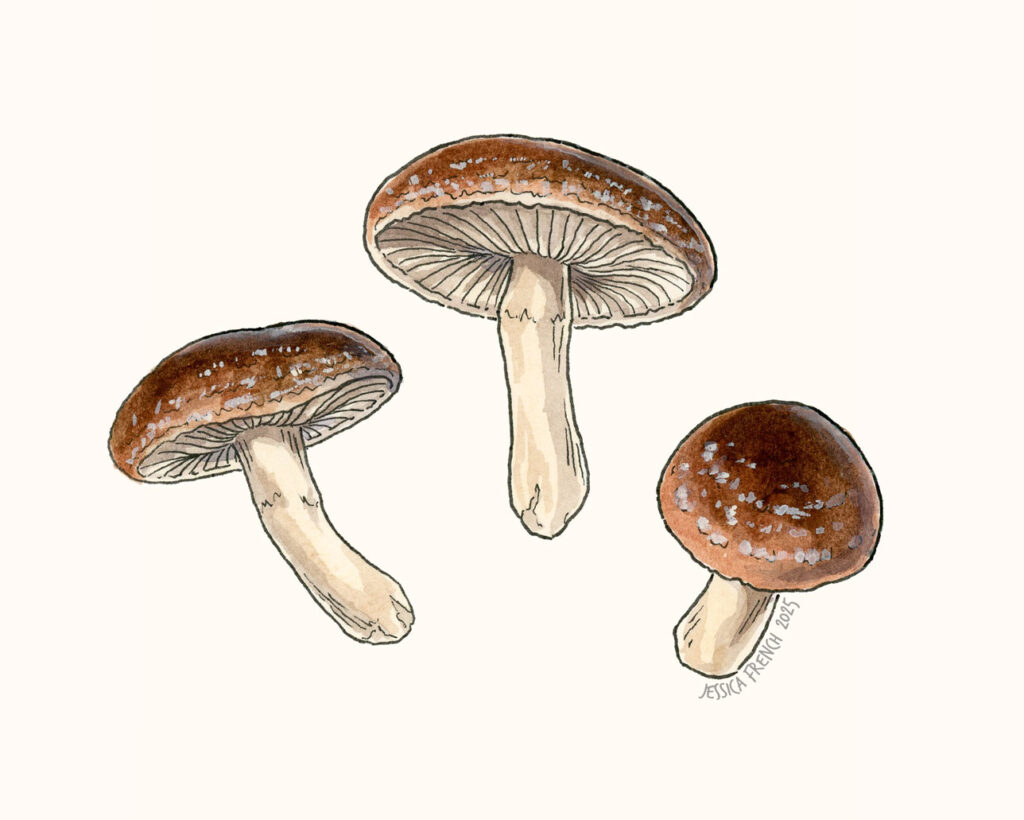
Shiitakes are a flavorful and meaty mushroom originating in East Asia.
Before my partner and I started growing our own food, I never would have guessed how up and down the harvests would be. One minute, you’re planting a bed of tomatoes, hopeful for even one juicy fruit. The next minute, you’re looking at tens of pounds of tomatoes sitting on your counter that need to be used now (thankfully, tomato soup can solve this problem). Then, the tomatoes are dried up and you’re wishing for more. Nothing demonstrated this concept of “feast or famine” better than when we decided to grow our own shiitake mushrooms last spring. Now I know that drying my mushrooms is the best way to keep them around all year. Plus, you can do it without a dehydrator.
What Are Shiitakes?
Shiitakes are an East Asian variety of mushroom commonly grown around the globe. Featuring brown caps and elegant woody stems, the shiitake is known for its intense nutty and meaty flavor. Though many grocery stores stock fresh shiitakes, Asian markets will often have the dried version, as well. Dried shiitakes can be rehydrated to use just like fresh, or thrown directly into a broth to add flavor. Use them in ramen, pasta, stir fries, or risotto. You can even throw them right on top of pizza before cooking—no rehydrating required! Their flavor is more intense than fresh, even after rehydrating, making them an excellent pantry item to keep around for a rainy day.
When we decided to grow mushrooms, shiitakes seemed like the obvious beginner’s choice. Besides being incredibly flavorful, they can be grown on hardwood logs, which we had just acquired after cutting down some oak branches. Someday, after more experience, I may make a post all about growing your own mushrooms. But for now: equipped with a drill, a bag of mushroom spore (which can be bought online), and a shady spot in the backyard, we were in business.
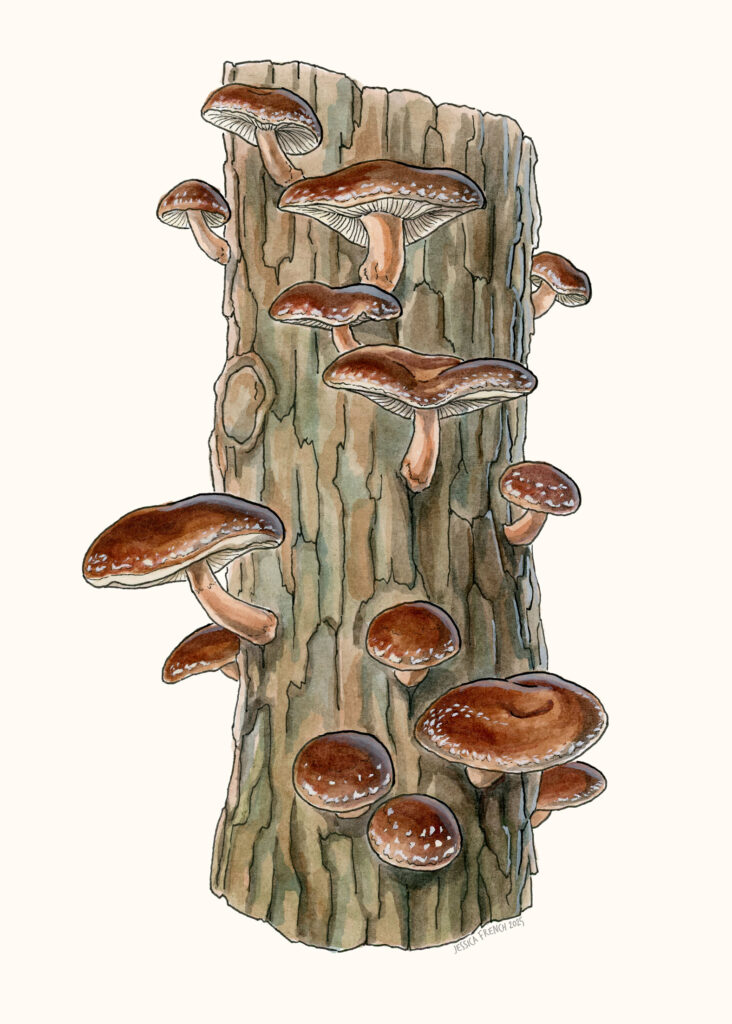
Shiitake mushrooms grow on hardwood. A period of rain will usually trigger the mushrooms to fruit.Continue reading →
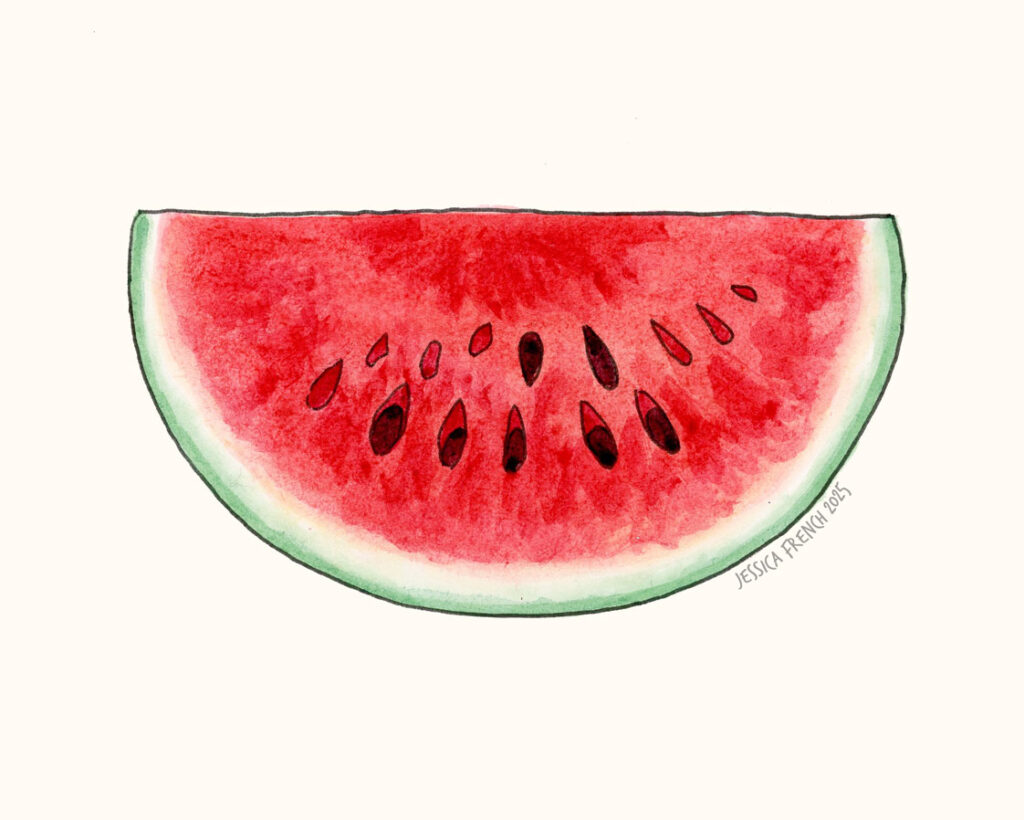
With how many factors go into growing watermelons, it’s really no wonder that myths and mysticism surround this pinnacle of summer fruits.
Maybe it’s just me, but watermelon season seems to hit suddenly each year in North Carolina. Just when we’re starting to get over the July peaches, we arrive at the farmer’s market and—oh! There are piles of beautiful melons. This year I found myself on the other side of the market stand for the first time, selling watermelons that my partner and I had grown ourselves.
I was a little surprised by how much mysticism surrounds the watermelon. Confident customers shared their grandma’s surefire way of picking a perfect melon. Less certain folks often asked, “How do I pick a ripe watermelon?” Or they requested, “Pick me out a good melon.” I have to chuckle. As I learned, those were the questions that we, the farmers, had to answer before ever leaving the field.
Melon Myths
You see, it’s really not up to the customer to choose a good watermelon. This burden lies almost entirely on the farmer—from the time of planting to the moment of harvest.
You’d think otherwise, with all the illustrated guides that populate summertime Facebook feeds, all touting “The Best Tips for Picking Out a Good Watermelon!” Now that I’ve grown watermelons myself, I know they’re wildly inaccurate. Here are just a few of the outrageous myths I’ve heard about watermelon ripeness.
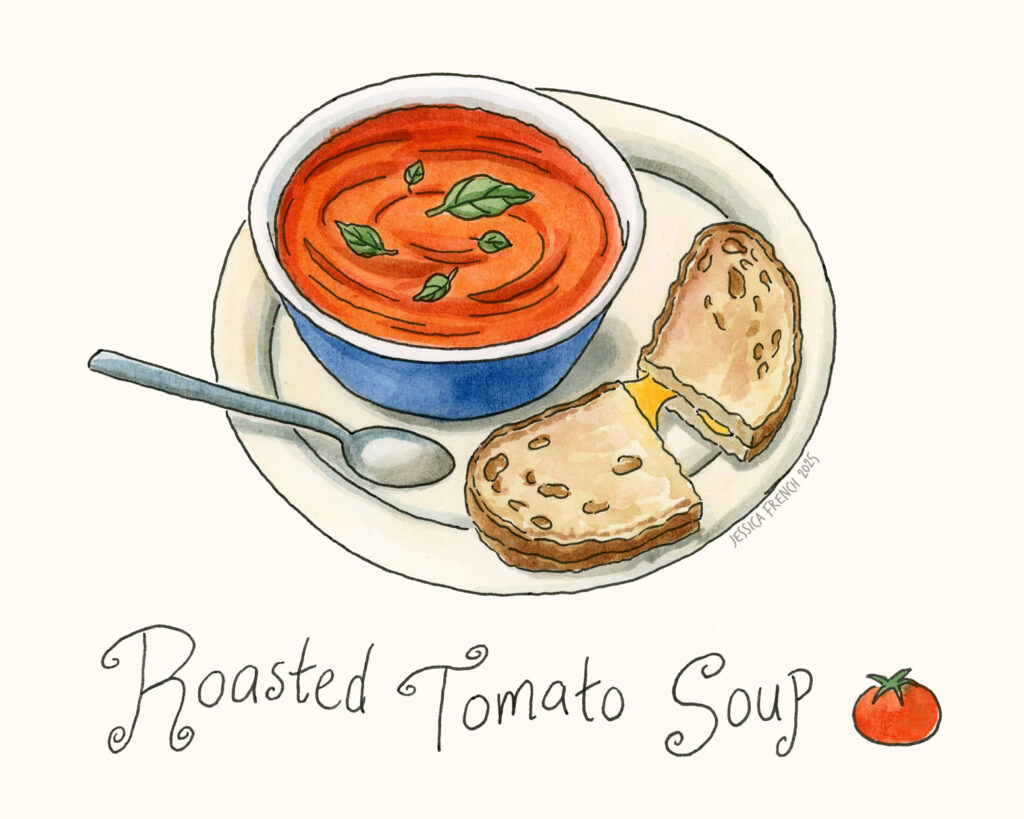
Nothing is more comforting than a bowl of homemade tomato soup with a grilled cheese sandwich.
If you have ever grown your own tomatoes, you know there is nothing better than picking a perfect, ripe heirloom tomato from your garden, carving it into thick slabs, and eating the still-warm slices with just a little salt. The thought conjures up images of decadent tomato pies, humble tomato sandwiches, and artfully arranged caprese salads. It’s the stuff of homesteading dreams.
But the truth is that not every tomato is perfect. Whether it’s a soft spot, a split from heavy rains, or a nibble from an unidentified critter (I suspect you, Mr. Raccoon), many things threaten to mar your tomatoes. And when it gets late in the season, if you’re like me, you may find yourself overloaded with such tomatoes–and they need to be used up soon.
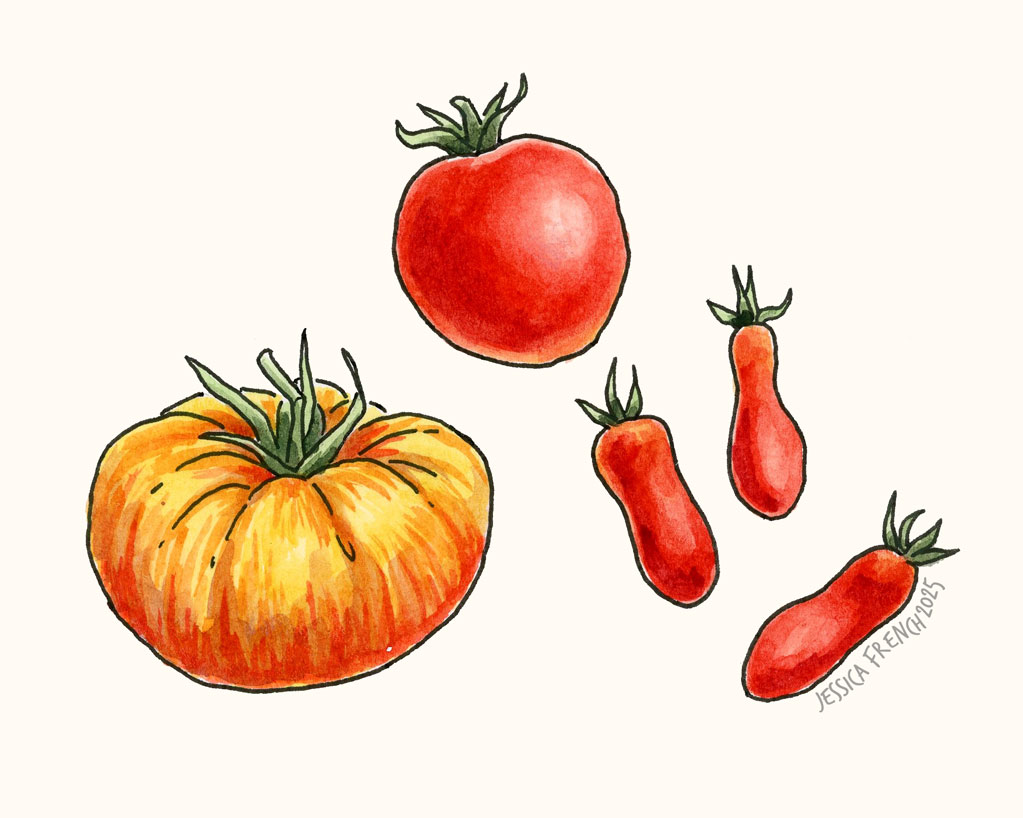
Any kind of tomato can work in this recipe. Use heirlooms, romas or san marzanos, slicing tomatoes–whatever you’ve got around.
Sure, pasta sauce is always great. But I’d argue that soup is a better destination for a tomato that’s past its prime. Firstly, what is more nostalgic and comforting than a bowl of tomato soup? Except maybe one accompanied by a grilled cheese sandwich? It’s a bonafide crowd pleaser. Secondly, late season tomatoes intersect beautifully with the much anticipated “soup season.” Thirdly, after cutting out the bad spots of those tomatoes, you’re left with an array of odd shapes and sizes. With soup, we get to send those bits and bobs through the blender and then–unrecognizable!