In North America, the mere mention of pumpkin (or its accompanying spices) has become a herald of the fall season. Sure, there are apples, acorns, cool weather, and colorful leaves. Yet somehow, the humble pumpkin has been elected to be our fall mascot. We’re a continent obsessed. I’ll admit, it does make sense. Pumpkins–and in fact, all squash–are native to the Americas. Scientists think it was one of the first crops domesticated by humans. Pumpkins, however, may never have come to be if it weren’t for two other mammals that were once as widespread as squashes are today: mammoths and mastodons.
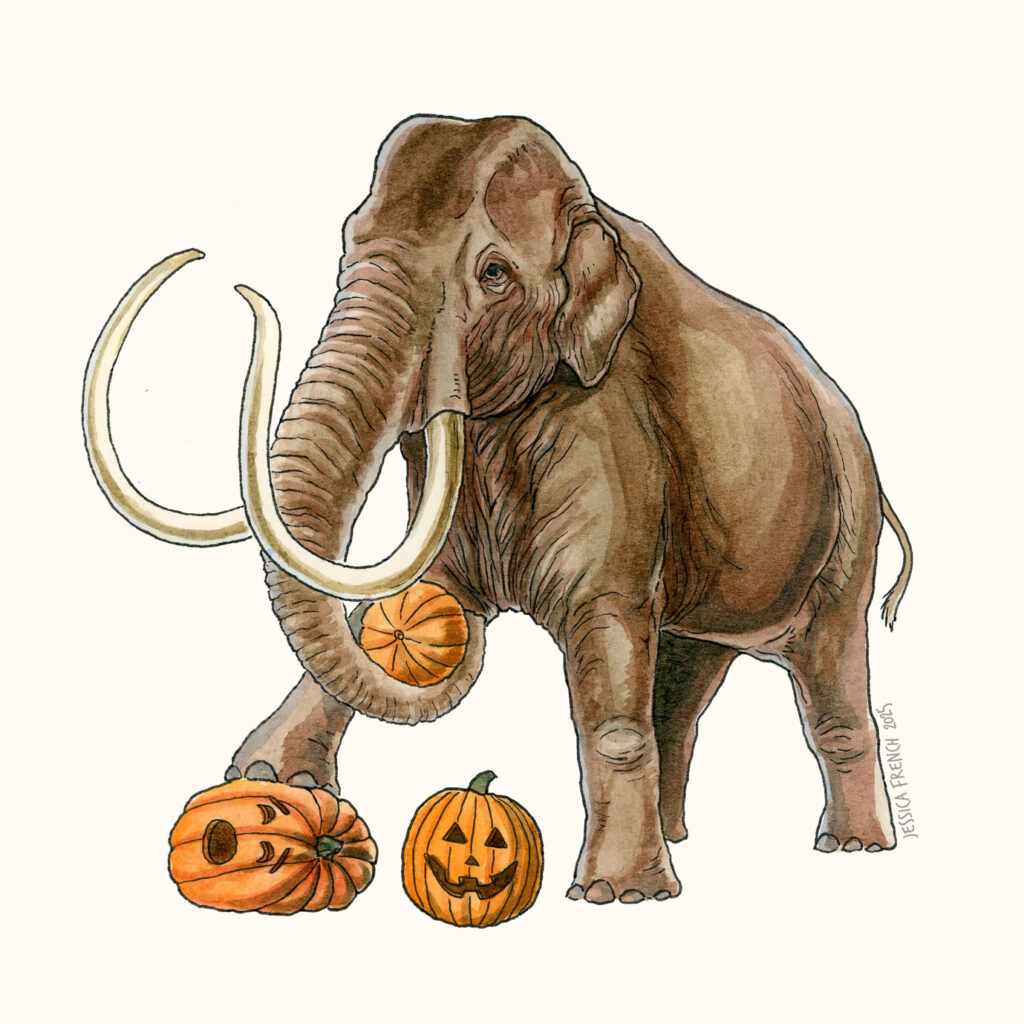
Yep. Paleontologists think there was a key link between these ancient proboscideans and the pumpkin spice latte. Well, okay, at the time (8000+ years ago in Mexico) there were no PSLs or even pumpkins. Instead, there were wild squashes. These were a far cry, however, from the large and sugary varieties we grow today.
Squash for Seeds
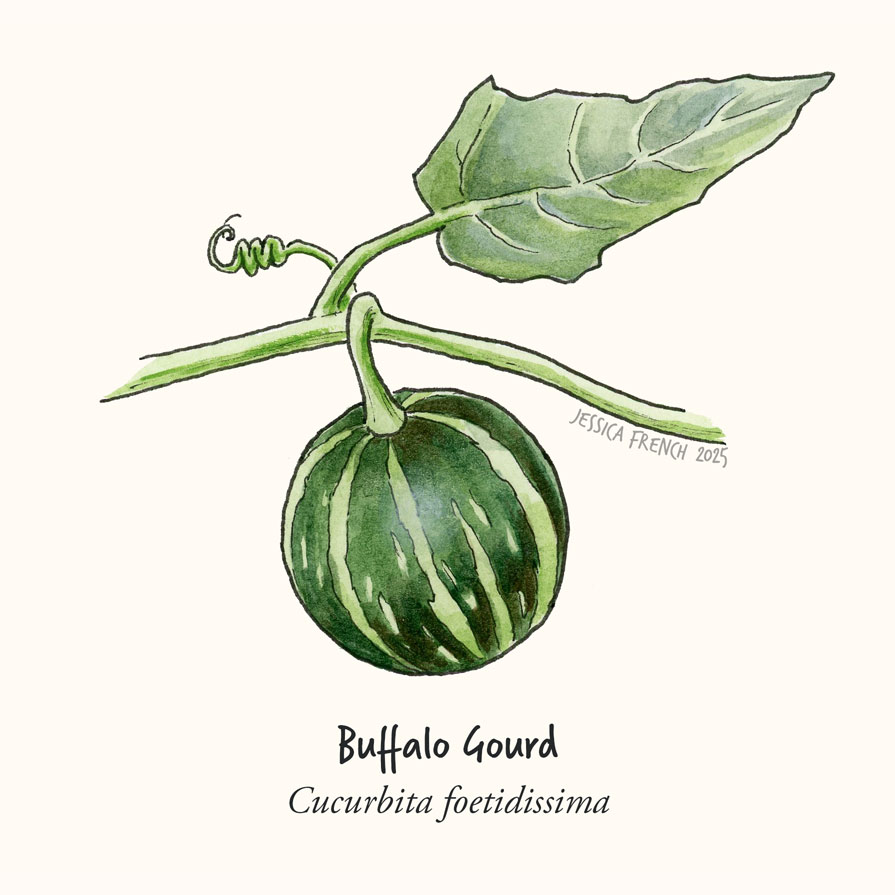
It’s likely that early squash was not all that tasty. They were small, green, round fruit with thick and bitter-tasting rinds that had high levels of toxins. This was useful for deterring small animals from chewing through and eating all its precious seeds. Humans likely cultivated squash to eat its nutritious seeds and not the bitter flesh. But having all your seeds chewed up and digested isn’t a great evolutionary strategy. Like many plants, in order to further the species, squash would need an animal to swallow its seeds whole and later dispense them (along with a nice dose of fertilizer). So how did we end up with wild squash all across the continent?
Mammoths and Migration
Thankfully, there were two kinds of mammals in the Americas up to the task. Mammoths and mastodons were large, which meant cracking open and chewing the hard wild squashes came easy. Furthermore, they lacked bitter taste receptors, making eating the flesh and rind a much more pleasant experience. Combined with mammoths’ and mastodons’ abilities to travel long distances, these factors likely helped spread squash’s ancestors all across North, South, and Central America. Why do we think this? Paleontologists have discovered whole squash seeds in preserved mastodon poop!
We think this migration eventually led to diverse squash species adapted to different habitats around the Americas. Then, as humans do, we selected for larger and sweeter fruits over time. These wild squashes evolved into the six cultivated species we grow today, plus all the varieties thereof. The pumpkins Americans love for carving Jack-o-lanterns, using as decoration, and baking into pies are usually species C. pepo, C. maxima, and C. moschata. Next time you see a pumpkin (or any squash at all), think about all the mammoths, mastodons, and early Native Americans it took to bring this symbol of autumn into being.
If you enjoyed learning some food history, you may also enjoy this post about how to determine the ripeness of a watermelon!